Sport for Education and Sustainable Livelihoods in Africa [SESLA] (2026)
In brief
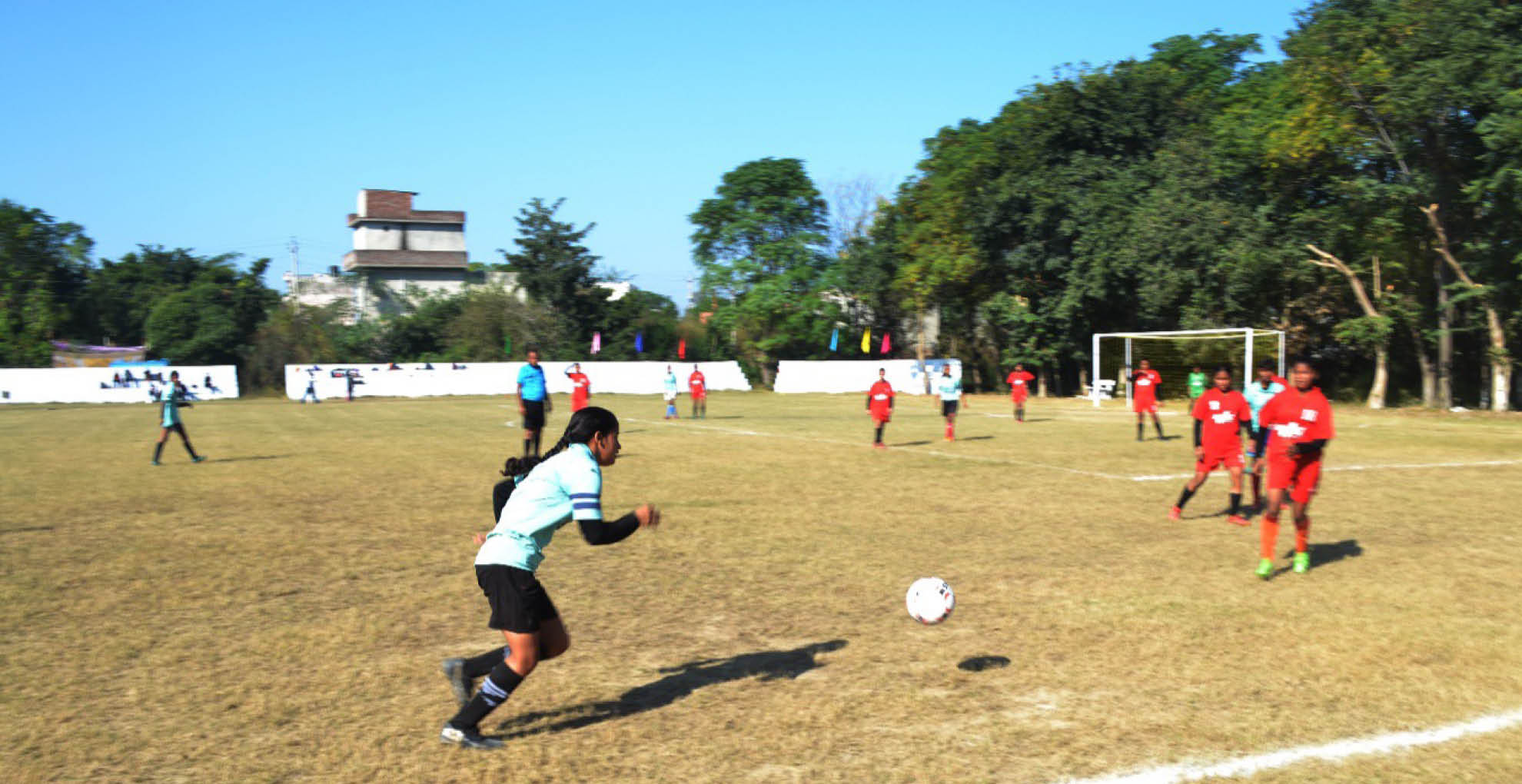
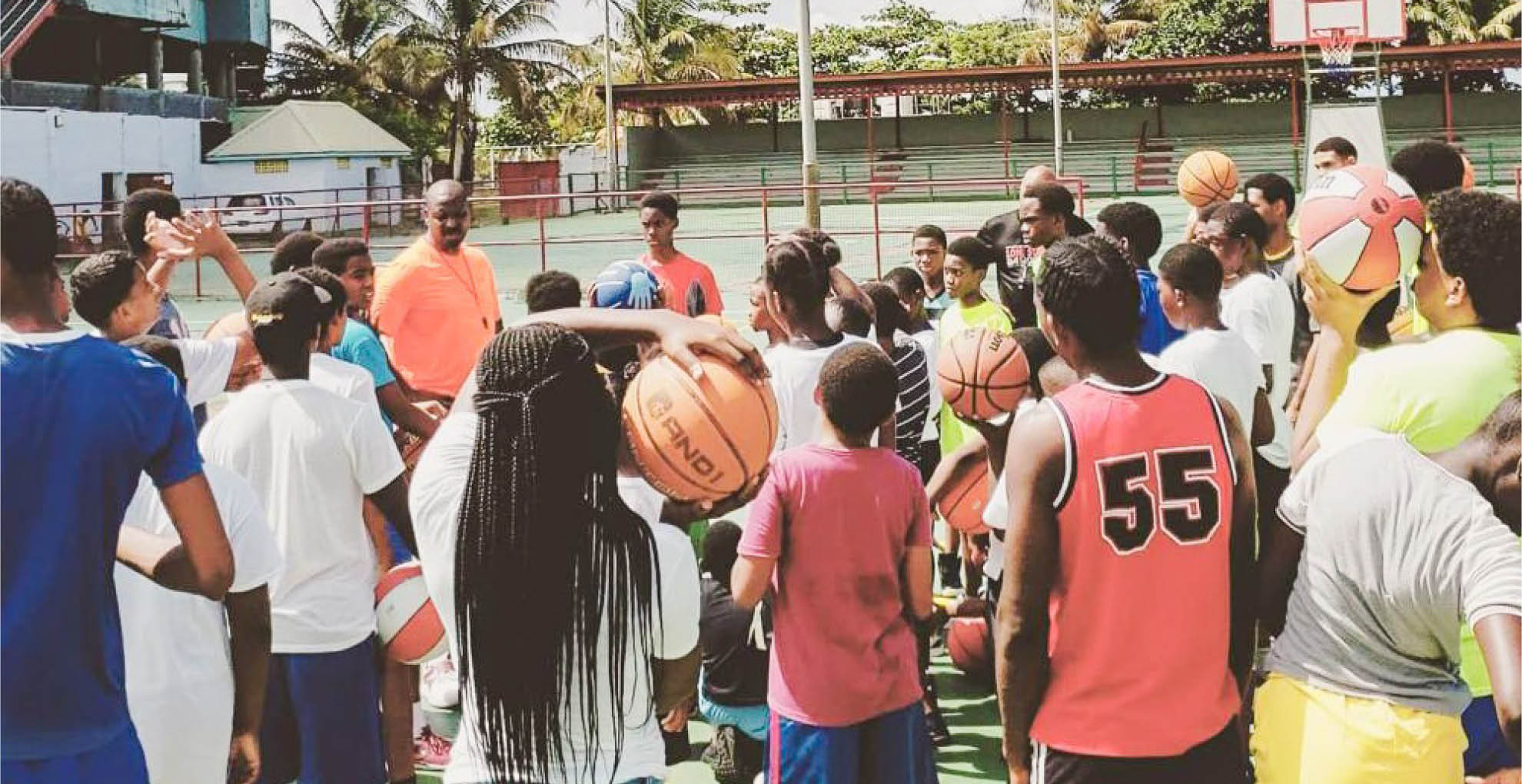
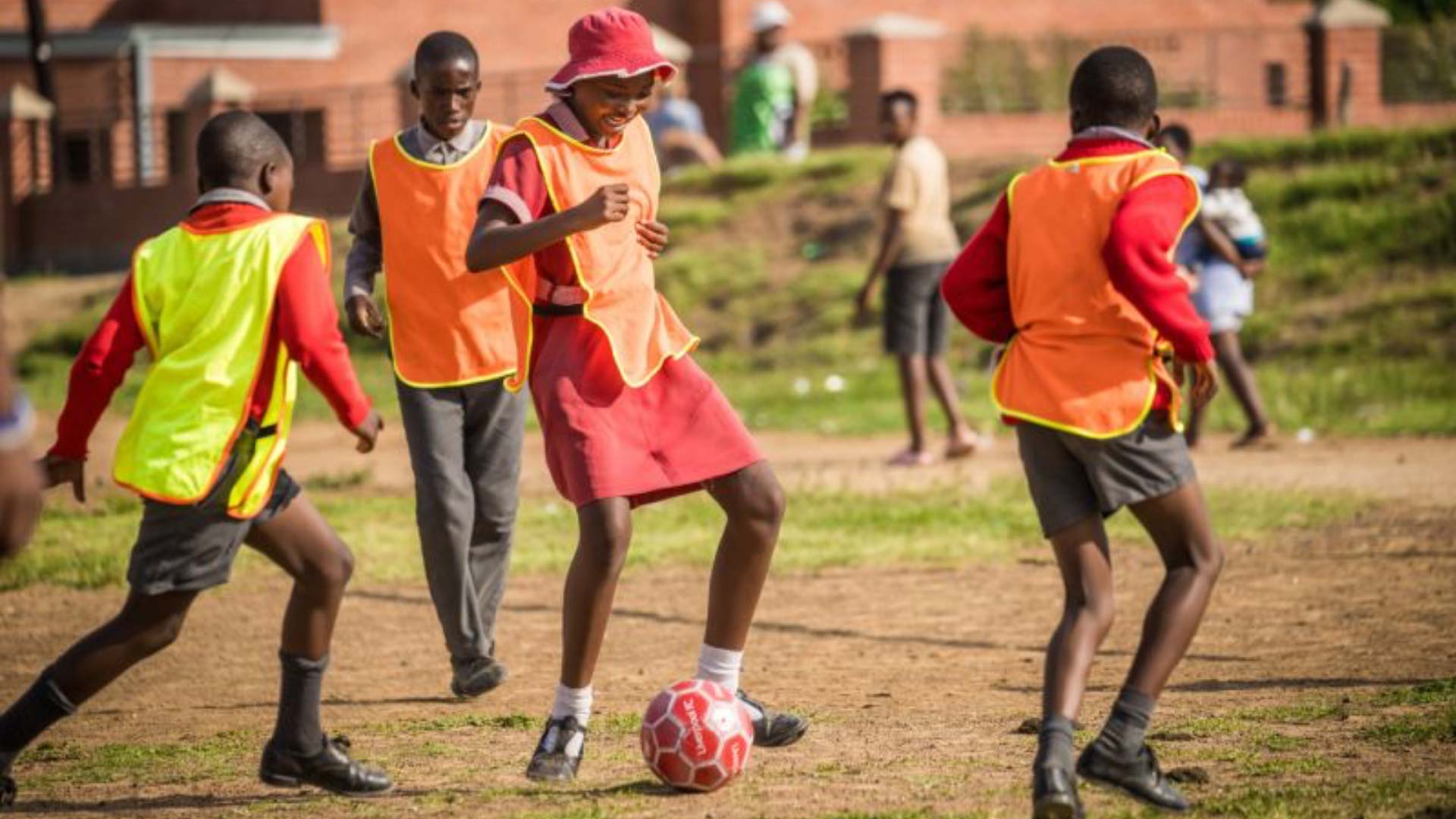
The SOL Foundation partners with the Laureus Sport for Good Foundation, the International Olympic Committee and Agence Française de Développement for the benefit of the initiative “Sport for Education and Sustainable Livelihoods in Africa”, in brief SESLA, a multi-stakeholder approach using sport to improve livelihoods for young people in Africa through a variety of activities all grounded in the SESLA Theory of Change:
- If … organisations are strengthened to deliver sports-based training and development programmes that respond to market need at scale,
- and … sport for sustainable development is strengthened in formalised technical training, educational curricula and qualification frameworks,
- and … young people are equipped with transferable and market recognised soft and hard skills through these initiatives,
- alongside … enhanced investment in and the subsequent growth of the sport value chain,
- then finally … more African youth will be productively engaged in the labour market, have improved livelihoods and enhanced economic participation through sport.
Problem to be tackled
Sport for Education and Sustainable Livelihoods in Africa (SESLA) was launched in 2024 in response to the fact that one in four young people in Africa are not in formal education, employment or training.
Local partner
In 2023, Laureus Sport for Good Foundation and the International Olympic Committee’s (IOC) Olympism365 initiative orchestrated a series of three virtual roundtable discussions and consultations with more than 36 key national, global, and continental stakeholders with a good understanding of the potential of sports value chains, the contribution sports-based education and employment interventions can make, and deep knowledge of the African continent.
The outcomes of this process, coupled with a review of existing research and evidence, indicated that purposely designed policies and programmes that use sport as a social development tool with respect to education retention, employability, and livelihoods, can offer cost-effective and scalable interventions for governments, sports supply chains and social development stakeholders while contributing to strengthening the sport and Olympic ecosystem. The process showed that despite the possible outcomes the application of this concept was underdeveloped in Africa, with substantial potential to enhance the role sport-based policy, programmes and enterprise development can play in supporting education, employability, and sustainable livelihood outcomes.
Beneficiaries
The overwhelming majority of young people who benefit from the SESLA initiative are considered vulnerable youth in their respective contexts.
SOL’s contribution
With the support from The SOL Foundation, SESLA will be able to increase the key grant making element, the so-called “The SESLA Fund”, of the Sport for Education and Sustainable Livelihoods in Africa initiative.
SOL’s contribution will be co-invested alongside additional resources to create the foundation of The SESLA Fund to invest in ten to 15 of the most promising and impactful sport for education and employability initiatives with improved transferable, education and employability skills and enhanced access to formal education opportunities as well as strengthening the capacity of 30 sport and youth-oriented organisations to deliver sports-based education and employability programmes at scale.
Project partners
Laureus Sport for Good Foundation
Laureus Sport for Good uses the power of sport to end violence, discrimination and disadvantage for children and young people all around the world. It supports currently more than 290 programmes in over 40 countries with funding and capacity building, helping to change the lives of over 250’000 marginalised and disadvantaged children and young people – from increasing access to education, to tackling gang violence, to supporting the mental health of youth in post-trauma situations.
Laureus Sport for Good was founded under the Patronage of Nelson Mandela, in line with his belief that “sport has the power to change the world” after seeing it play a crucial role in rebuilding post-apartheid South African society.
International Olympic Committee
Olympism365 is the IOC’s approach to strengthening the role of sport as an important enabler for the UN’s Sustainable Development Goals, which it achieves by collaborating with a range of partners from both within and outside the Olympic Movement. The themes and priority areas for Olympism365 reflect the positive role that sport, and Olympism can play in society for the SDGs by contributing to creating healthier and more active communities, more equitable, safer and inclusive communities, peacebuilding, and education and livelihoods. It is a catalyst for collective action, innovation and realising the potential of urban sport and virtual sport to be a force for good.
Agence française de développement (AFD)
AFD finances, supports and accelerates the transitions necessary for a more just and resilient world. It thus contributes to implementing France’s policy on sustainable development and international solidarity. It is with and for communities that we build, with our partners, solutions in more than 160 countries, as well as in 11 French overseas departments and territories. Our objective: To reconcile economic development with the preservation of common goods: the climate, biodiversity , peace, gender equality, education and health. Our teams are involved in more than 3,600 projects in the field, which are part of the commitment of France and the French people to fulfilling the Sustainable Development Goals. For a world in common.